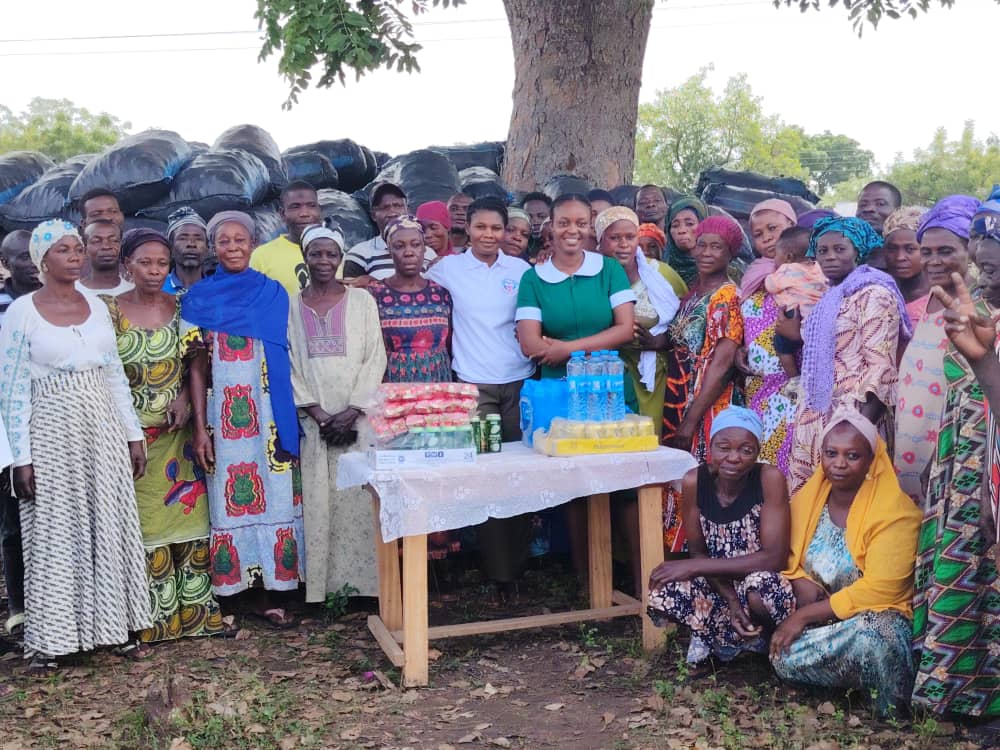
Improving health care access for all Ghanaians
INTEGRATED HEALTH PARTNERSHIP (IHP)
About the project
The Integrated Health Partnership (IHP) is a United States Government-funded health systems strengthening programme implemented through a partnership led by Project HOPE, with the Christian Health Association of Ghana (CHAG) and other health sector partners, including Sanford Health. The programme works with the Ghana Health Service (GHS), health facilities, healthcare professionals and communities to improve access to and the quality of essential healthcare services.
Through its implementation role, CHAG supports efforts to strengthen primary healthcare, improve maternal and newborn outcomes, build the capacity of frontline health workers and promote stronger links between health facilities and the communities they serve.
The project focuses on integrated reproductive, maternal, newborn, child and adolescent health, nutrition and malaria services. It also supports improved preparedness for obstetric and newborn emergencies, rational use of medicines, infection prevention and control, and the development of stronger referral and community-based care systems.
The IHP contributes to Ghana’s broader pursuit of Universal Health Coverage (UHC) by addressing barriers to healthcare access, improving service delivery and strengthening the capacity of health facilities and local health networks to provide safe, effective and people-centred care.
Project goal and objectives
The overall goal of IHP is to contribute to improved health and wellbeing in Ghana by reducing preventable maternal, newborn and child deaths, including stillbirths, and strengthening the health system towards 2030.
- Improve access to healthcare: Reduce barriers that prevent individuals and families from receiving essential, integrated health services.
- Increase utilisation of health services: Encourage timely care-seeking through community education, outreach, household follow-up and engagement with faith and traditional leaders.
- Improve quality of care: Strengthen clinical competencies, mentorship, emergency preparedness, quality improvement and the availability of essential medicines and equipment.
- Strengthen sustainable health networks: Improve collaboration among hospitals, primary healthcare facilities, district health teams and communities through Ghana’s Network of Practice approach.
Key achievements: Progress through Year 2
The programme’s Year 2 review, held on 29 September 2026, reported important progress in community education, maternal health, emergency preparedness, workforce development and health facility improvements.
| 52,000+ | People reached with essential healthcare education during Year 2. |
| 15.4% | Reduction in institutional maternal mortality across target facilities. |
| 935 | Frontline health professionals whose skills were strengthened through emergency simulations. |
| 30 | Facilities upgraded through minor renovations cumulatively, including 20 during Year 2. |
| 109 | Community engagement sessions conducted by 37 facilities. |
| 17.6% | Increase in male partner involvement in antenatal care. |
| Source: IHP Year 2 Review highlights provided by CHAG. These figures reflect reported programme results; the maternal mortality and male involvement figures are not presented as national estimates. | |
|---|---|
Achievements and areas of impact
1. Improving maternal and newborn survival
IHP supports healthcare teams to prevent, recognise and respond promptly to complications during pregnancy, childbirth and the newborn period. Activities include clinical training, emergency simulations, mentorship and improvements in facility readiness for emergency obstetric and newborn care. The Year 2 review reported a 15.4% reduction in institutional maternal mortality across target facilities. The programme also strengthened frontline workers’ preparedness to manage obstetric and newborn emergencies through simulation exercises involving 935 health professionals.
2. Bringing health education closer to communities
Community engagement is central to IHP’s approach. Health facilities work with communities, faith leaders and other local stakeholders to promote early care-seeking, improve knowledge of danger signs during pregnancy and the newborn period, and encourage timely referrals. During Year 2, 37 facilities conducted 109 community engagement sessions. More than 52,000 people were reached with essential healthcare education, helping strengthen the connection between communities and health services.
3. Encouraging Spousal Support in maternal healthcare
IHP promotes the involvement of husbands and other male partners in antenatal and postnatal care. Through partner-support clinics and targeted education, the project encourages shared responsibility for birth preparedness, recognition of danger signs and timely decisions to seek care. The Year 2 review recorded a 17.6% increase in male partner involvement in antenatal care, reflecting progress in efforts to engage families in maternal health.
4. Strengthening the skills of healthcare professionals
The project invests in the capacity of frontline health workers through clinical mentorship, supportive supervision, practical training and emergency simulation exercises. During the first year, more than 450 healthcare workers were trained in inventory management and pharmaceutical stewardship, covering demand forecasting, stock monitoring, procurement planning, and the appropriate use of medicines. In Year 2, 77 health workers were trained in blood donor care management. These efforts support safer clinical practice, better management of essential supplies and improved readiness to manage maternal and newborn complications.
5. Improving health facility infrastructure and readiness
IHP recognises that quality care depends on appropriate, safe and dignified healthcare environments. The project supports targeted, cost-effective minor renovations to improve conditions for delivery and emergency care. During Year 2, 20 high-volume health facilities received minor renovations, bringing the cumulative total to 30 facilities. Improvements supported hygiene, infection prevention and control, patient privacy, and readiness to deliver emergency obstetric and newborn care and care for small and sick newborns.
6. Strengthening blood mobilisation and emergency readiness
Access to safe blood is essential for managing severe anaemia, obstetric haemorrhage and other emergencies. IHP works with the National Blood Service and participating facilities to improve blood donor mobilisation and the management of blood and blood products. During Year 2, blood mobilisation activities involved 20 facilities. The programme review also reported a national blood collection index of 6.9 per 1,000 population, described in the review as an all-time high, to which programme activities contributed.
7. Promoting quality improvement and accountability
Through quality improvement approaches, clinical mentorship and Integrated Supportive Supervision, IHP supports participating facilities to assess performance, identify gaps and strengthen service delivery. Monitoring and evaluation findings presented at the Year 2 review showed encouraging improvements in facility performance, including progress among some facilities that had previously recorded lower performance. Supervision reinforced practices in maternal and child health, malaria, nutrition and data management. The programme continues to emphasise evidence-based implementation, reliable data, facility accountability and the use of performance information to guide improvement.
How IHP works
- Workforce development and clinical mentorship: Practical training, emergency drills, coaching and supportive supervision help healthcare workers strengthen their skills and apply clinical standards in daily practice.
- Community-based healthcare: Outreach activities, household follow-up, community durbars and engagement with faith and traditional leaders promote health awareness and timely use of healthcare services.
- Facility readiness and quality improvement: Targeted infrastructure upgrades, essential medicines and equipment, blood mobilisation and quality improvement initiatives support safer and more effective care.
- Stronger health networks and accountability: Collaboration among hospitals, primary healthcare facilities, district health teams and communities strengthens referral systems, continuity of care, data use and local accountability.
Looking ahead: Year 3 Priorities
Building on the results achieved, IHP is focusing on sustaining progress and improving implementation. The Year 2 programme review identified eight strategic priorities for Year 3:
- Improving data quality and the use of evidence for decision-making.
- Strengthening accountability at facility level.
- Sustaining clinical mentorship and supportive supervision.
- Deepening engagement with stakeholders and implementing partners.
- Supporting sustainable community engagement activities.
- Improving the efficiency of programme financing.
- Reinforcing governance and implementation oversight.
- Measuring outcomes to demonstrate improvements in healthcare delivery.
These priorities will help ensure that lessons from implementation translate into stronger services, more accountable health facilities and better experiences for patients and communities.
Our Partners
- Project HOPE: Lead implementing partner and prime recipient for the programme.
- Christian Health Association of Ghana (CHAG): Implementing partner supporting health systems strengthening, workforce development, quality improvement and community engagement.
- Sanford Health: Programme partner working mainly with over-the counter medicines providers
The partnership also works with the Ghana Health Service, participating health facilities, professional associations and other technical partners.
About CHAG’s role
CHAG brings extensive experience in faith-based healthcare delivery, clinical service improvement, health workforce development and engagement with communities. Through IHP, CHAG works with 46 beneficiary CHAG and GHS facilities to strengthen integrated healthcare services and support national efforts to improve maternal, newborn and child health outcomes.
The project builds on CHAG’s commitment to quality healthcare that serves the whole person — in body, mind and soul.
A shared commitment to better health
The progress recorded through IHP demonstrates the importance of investing in healthcare workers, strengthening health facilities and building trusted relationships between health services and the communities they serve. As implementation continues, CHAG and its partners remain focused on translating these investments into more accessible, safer and higher-quality healthcare, particularly for mothers, newborns, children and families who need it most.
The IHP is a United States Government-funded programme implemented through Project HOPE, CHAG and other partners. Programme achievements stated above are drawn from the Year 2 review document provided by CHAG.
…
The USG-funded Integrated Health Partnership (IHP), implemented through a CHAG sub-award, is strengthening health services through workforce development, community engagement and targeted facility improvements. Measurable results for communities and health facilities The Integrated Health Partnership (IHP) is helping bring essential healthcare education and stronger services closer to communities. In Year 2, the programme reached more […]