Improving health care access for all Ghanaians


CHAG Renovates National Office Ahead of 60th Anniversary in 2027

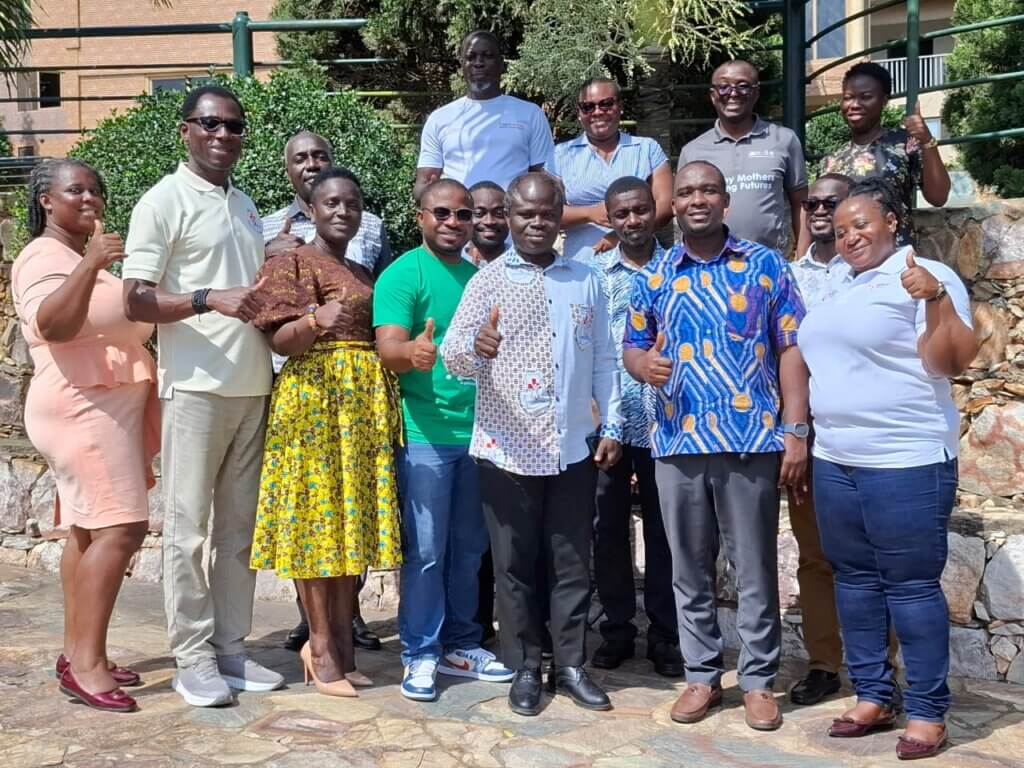
The USG-funded Integrated Health Partnership (IHP), implemented through a CHAG sub-award, is strengthening health services through workforce development, community engagement and targeted facility improvements.
Measurable results for communities and health facilities
The Integrated Health Partnership (IHP) is helping bring essential healthcare education and stronger services closer to communities. In Year 2, the programme reached more than 52,000 people with essential healthcare education and supported improvements in maternal health, blood mobilisation, clinical skills and health facility conditions.
- 52,000+ people reached with essential healthcare education.
- 4% reduction in institutional maternal mortality across target health facilities.
- 6% increase in male partner involvement in antenatal care (ANC), supported by improved spousal engagement.
- Contributed to9 per 1,000 population national blood collection index, reported in the programme review as an all-time high.
- 935 frontline health professionals strengthened their skills through emergency simulations.
- 77 health workers trained in blood donor care management.
- 30 facilities upgraded through minor renovations, including 20 facilities improved during Year 2.
Strengthening quality of care and Facility performance
Monitoring and Evaluation findings presented during the Year 2 Programme Review showed encouraging improvements in facility performance, including progress among some facilities that had previously recorded lower performance. Integrated Supportive Supervision helped reinforce practices in maternal and child health, malaria, nutrition and data management.
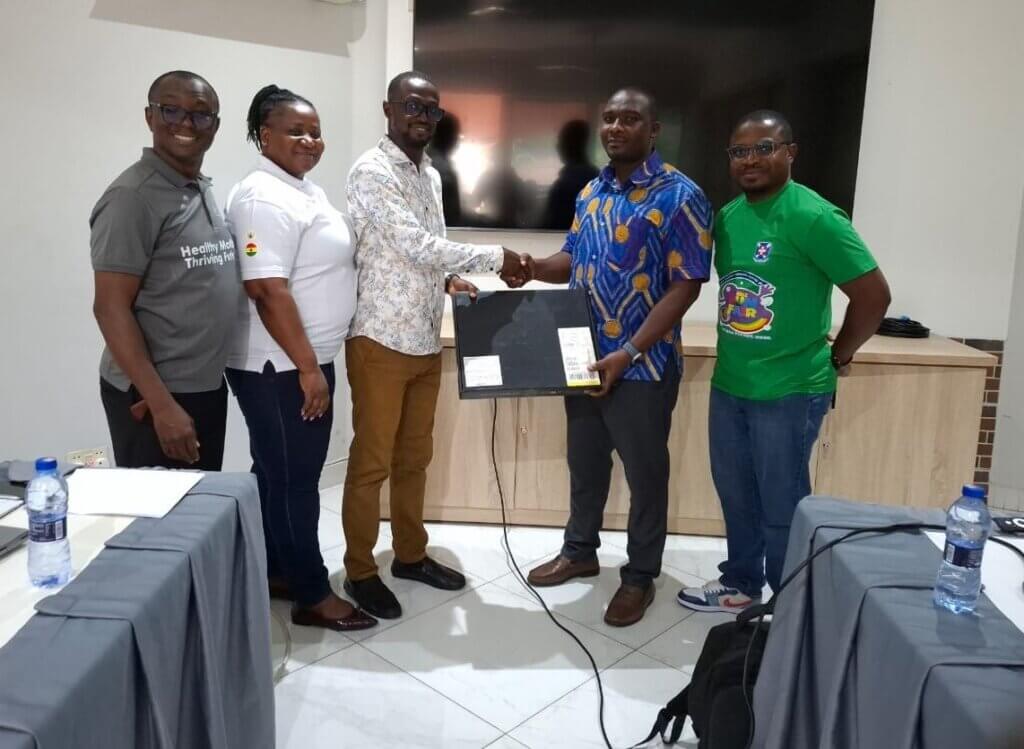
Clinical mentorship was also highlighted as an important approach to improving staff confidence, strengthening case discussions and supporting better clinical practice. The presentation of laptops to two mentors further supported the programme’s commitment to equipping mentors to sustain quality mentorship and facility-level support.
Community engagement and blood mobilisation
Community and faith-based engagement remained central to implementation. Thirty-seven (37) facilities conducted 109 engagement sessions, helping strengthen links between health facilities and the communities they serve. Blood mobilisation activities involved 20 facilities, with additional mop-up activities approved to build on the results achieved.
Safer, more dignified care environments
Targeted, cost-effective minor renovations improved 20 high-volume facilities during Year 2, bringing the cumulative total to 30. These improvements helped preserve essential health infrastructure and create safer, more hygienic and dignified environments for delivery and emergency care. The renovations also supported infection prevention and control, patient privacy, and the infrastructure needed for emergency obstetric and newborn care (EmONC) and small and sick newborn care (SSNC).
Year 3: Building on progress
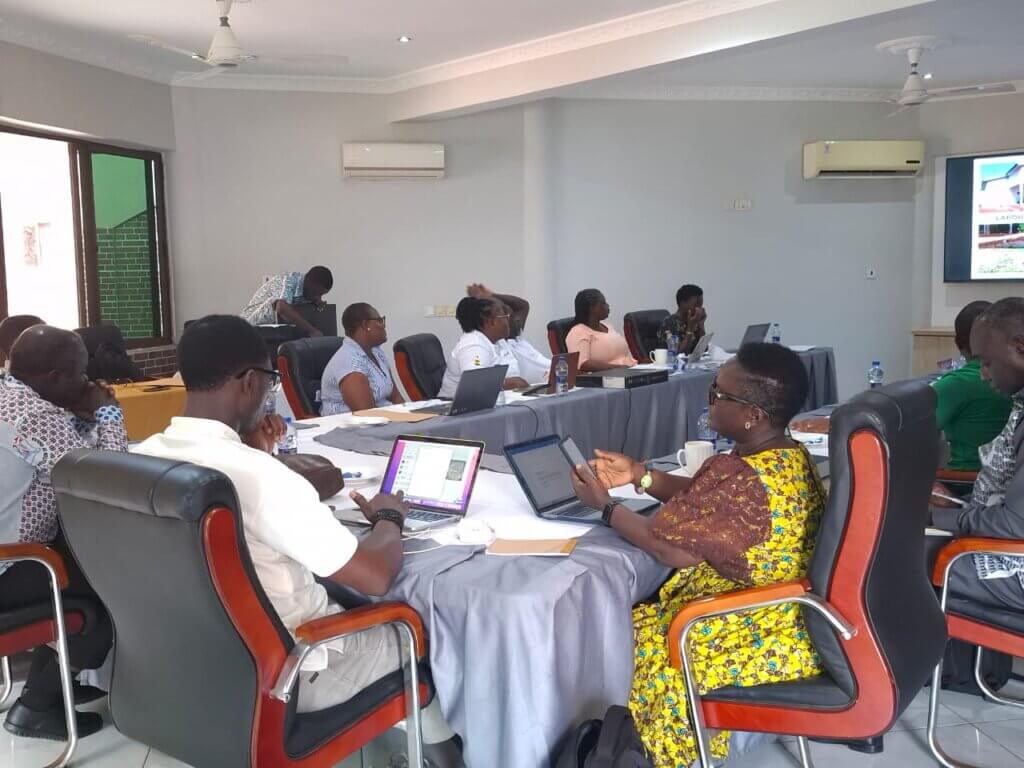
At the review held on 29 September 2026 at the Hephzibah Christian Centre in Aburi, programme leaders Dr. Abraham Frimpong Baidoo, Programme Manager, and Dr. James Duah, Technical Director, emphasised diligence, accountability and evidence-based implementation.
The review identified eight strategic priorities for Year 3: improving data quality, strengthening facility accountability, sustaining mentorship, deepening stakeholder engagement, supporting sustainable community activities, improving financing efficiency, reinforcing governance and measuring outcomes.
A continued commitment to stronger health services
The Year 2 review provided an opportunity to reflect on results, share learning and identify areas for continued improvement. Through health system strengthening, community partnerships, workforce development and practical facility upgrades, IHP continues to support efforts to improve the quality, accessibility and safety of healthcare in Ghana.
About IHP
The Integrated Health Partnership (IHP) is a US Government-funded programme implemented through Project Hope, CHAG and Sanford. The programme supports health system strengthening and works with health facilities and communities to improve service delivery.
Source: Rachel Pinto