Improving health care access for all Ghanaians


CHAG Secretariat Hosts NHIA Training on One-Time Attendance Code (OTAC) For Free Primary Healthcare Implementation

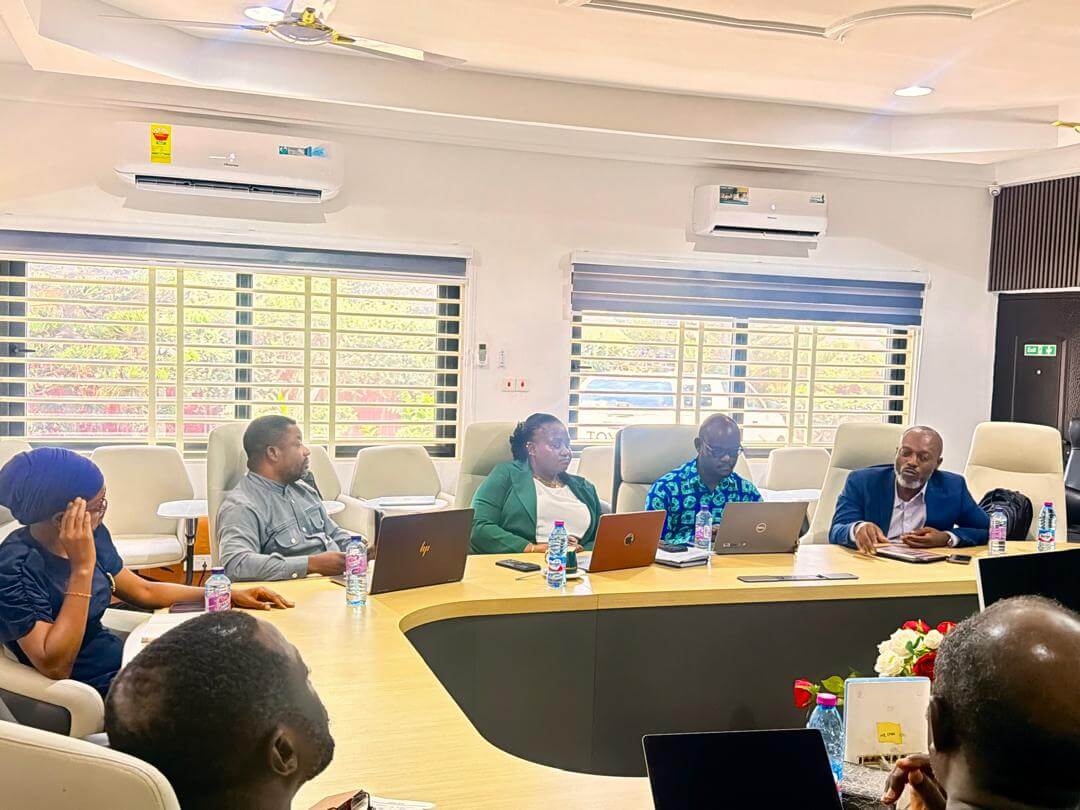
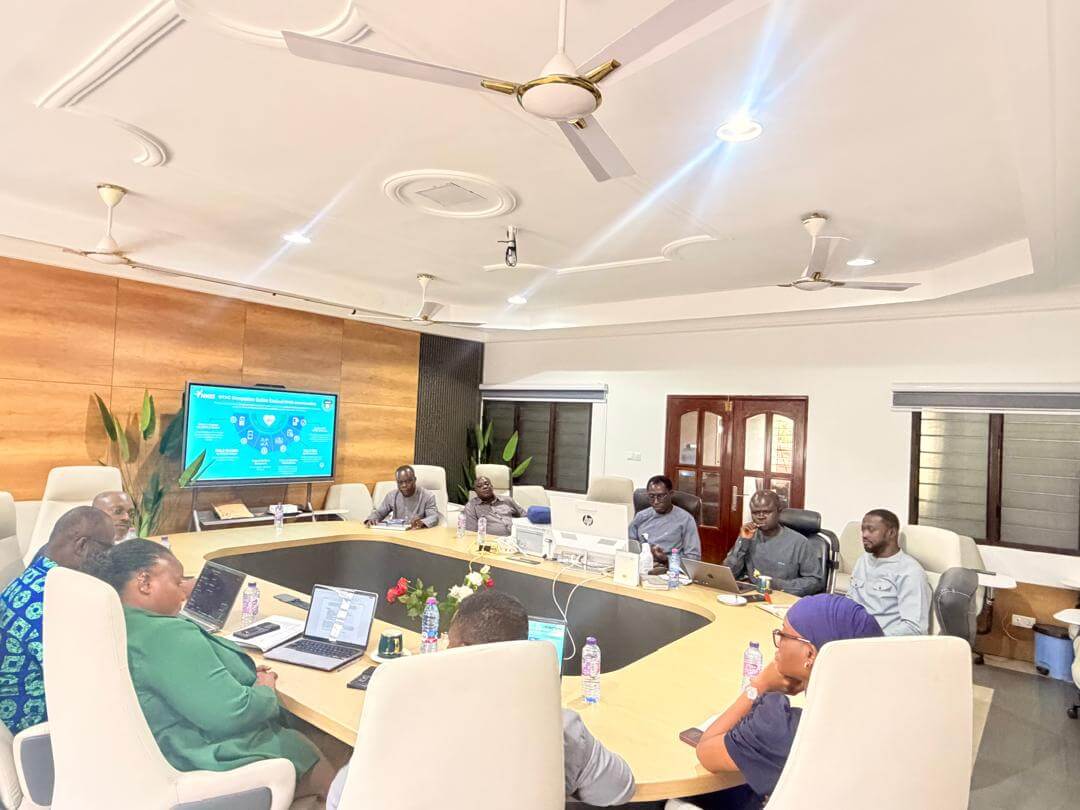
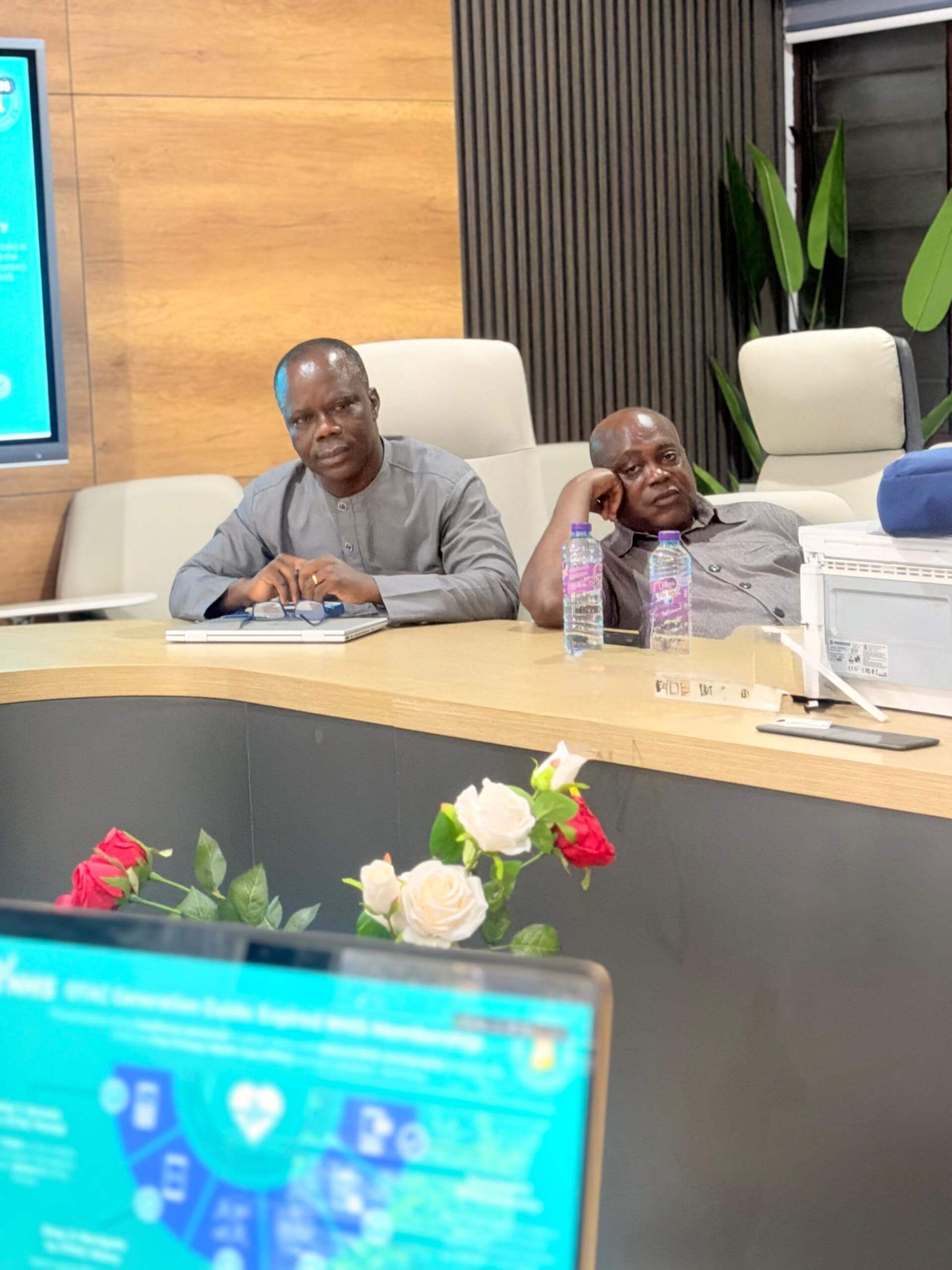
The Christian Health Association of Ghana (CHAG) Secretariat on Tuesday 3 November 2026 hosted a training session led by the National Health Insurance Authority (NHIA) on the implementation of the One-Time Attendance Code (OTAC), a key requirement for the curative component of Ghana’s Free Primary Healthcare (FPHC) Programme.
The training marks an important milestone in preparing CHAG’s 135 participating health facilities for the rollout of Free Primary Healthcare services across 106 selected districts nationwide. It also forms part of the NHIA’s pilot implementation of the National Health Insurance Scheme (NHIS) Electronic Health Facility Attendance Management System (NeHFAMS), a digital platform designed to strengthen attendance verification and enhance claims management under the NHIS.
The meeting brought together representatives from the NHIA, Lightwave Health Information Management System (LHIMS), and the CHAG Secretariat. Participants were taken through the operational framework of the new system, implementation arrangements, and procedures for managing clients who do not possess valid NHIS cards or whose cards have expired.
According to the NHIA, the OTAC use is currently being piloted in four regions of Ghana: Ahafo, Oti, Western North, and North East. The system introduces a more secure and transparent mechanism for verifying patient attendance at healthcare facilities before claims are submitted for reimbursement.
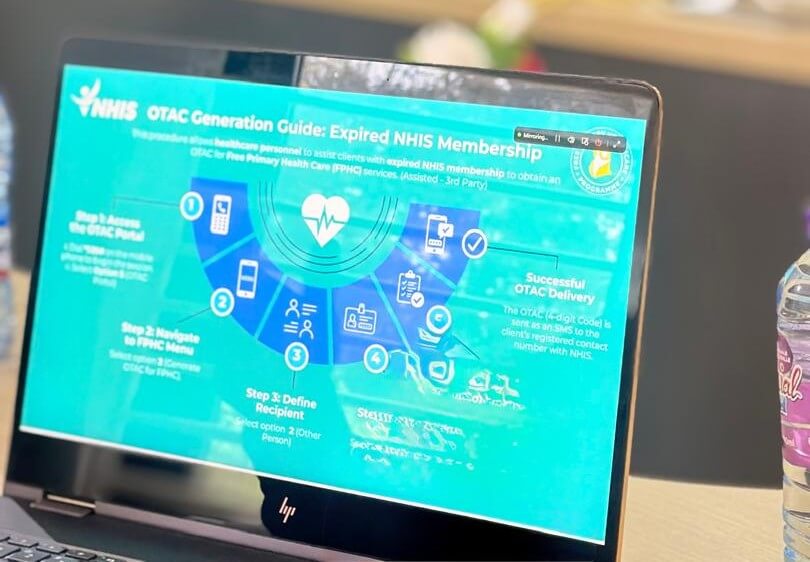
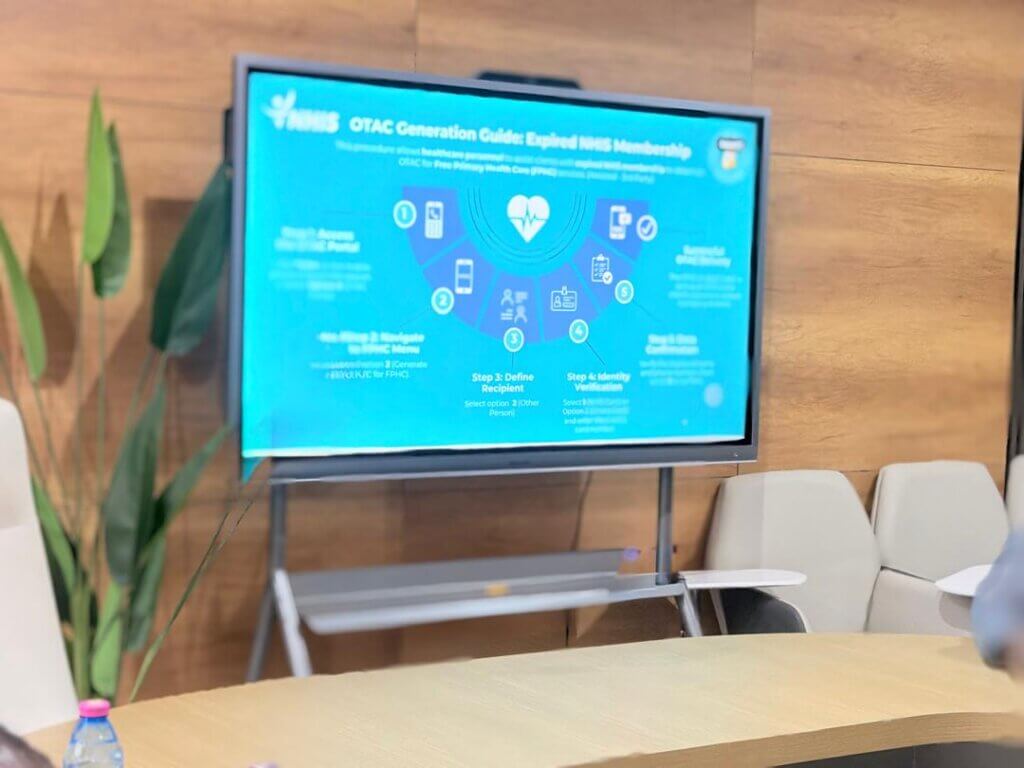
Under the new process, NHIS cardholders are required to generate an OTAC prior to visiting a healthcare facility. Upon arrival, the client presents the code, which is verified through the NeHFAMS platform. Following successful validation, the system generates a Claims Check Code (CCC), a unique identifier that becomes part of the claims submission process to the NHIS.
NHIA officials highlighted that the electronic attendance verification system is expected to strengthen accountability throughout the healthcare financing value chain by ensuring that all claims are linked to verified patient visits. The system is also anticipated to reduce claims irregularities, improve data integrity, and enhance the efficiency of claims processing and reimbursement.
During the discussions, CHAG underscored the importance of effective client education and staff preparedness to ensure the smooth implementation of the programme. CHAG further called for sustained collaboration among healthcare providers, NHIA officials, and technology partners to support the successful rollout of the curative component of the Free Primary Healthcare Programme.
CHAG indicated its commitment to cascading the training across all participating member facilities, with support from the NHIA. This will help ensure that CHAG facilities implementing the Free Primary Healthcare Programme are fully prepared to provide quality healthcare services to all Ghanaians, regardless of their NHIS membership status, in line with the objectives of the national policy.
About the Free Primary Healthcare Programme
The Free Primary Healthcare Programme is a Government of Ghana initiative aimed at improving access to essential healthcare services and reducing financial barriers to care. The introduction of digital systems such as OTAC is expected to support accountability, transparency, and efficiency in service delivery and reimbursement under the programme.
Source: Rachel Pinto